


Prop Trading Myths That Are Costing You Funded Accounts

Many traders fail prop firm challenges for one simple reason. They believe things that are not true. These myths sound convincing, especially online. But they lead to poor decisions, broken rules, and lost accounts.
If you want to pass a challenge and keep a funded account, you need to see how prop trading really works. This guide breaks down the most common myths and shows what actually matters.
Myth 1: Prop Firms Don’t Pay Traders
This is one of the biggest fears new traders have. Some think firms are built to avoid paying profits.
That is not how real prop firms work.
Reputable firms do pay traders. But there is one condition. You must follow the rules and stay within risk limits. Most failed payouts come from rule violations, not from firms refusing to pay.
If you hit your profit target but break max loss rules, your account is gone. It does not matter how good the trades looked. The rules come first.
The truth is simple. Traders who manage risk and follow rules get paid. Traders who ignore them do not.

Myth 2: Getting Funded Is Easy
Many ads or marketing materials make it look simple. Pass a challenge, get funded, and start earning.
The process is simple to understand. But it is not easy to complete.
You need to:
Control risk on every trade
Stick to a plan
Avoid emotional decisions
Stay consistent over time
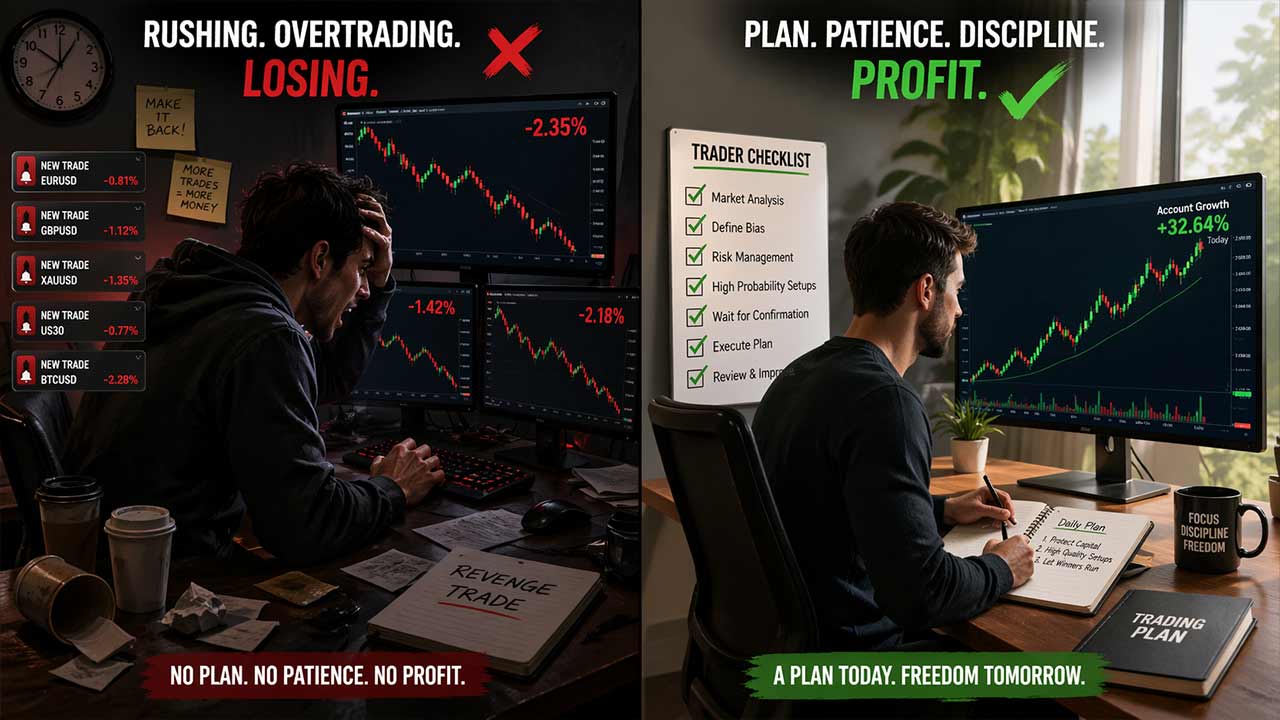
Most traders fail because they chase fast profits. They overtrade, increase lot sizes, and break drawdown limits.
Prop firms are not testing luck. They are testing control. They want traders who can protect capital first and grow it after.
In case you treat the challenge like a race, you will fail. If you treat it like a process, you have a chance.
If you're new, start with understanding how a funded trading account actually works so you know what you're aiming for.
Myth 3: You Need a High Win Rate
Many traders believe they must win most of their trades. This pushes them into bad habits.
They close trades too early to secure small wins. They avoid taking proper risk setups. They fear losses too much.
In reality, win rate alone means very little.
What matters is your risk-to-reward ratio. Learn how to structure it properly in this guide on risk to reward ratio.
What matters is your risk-to-reward ratio.
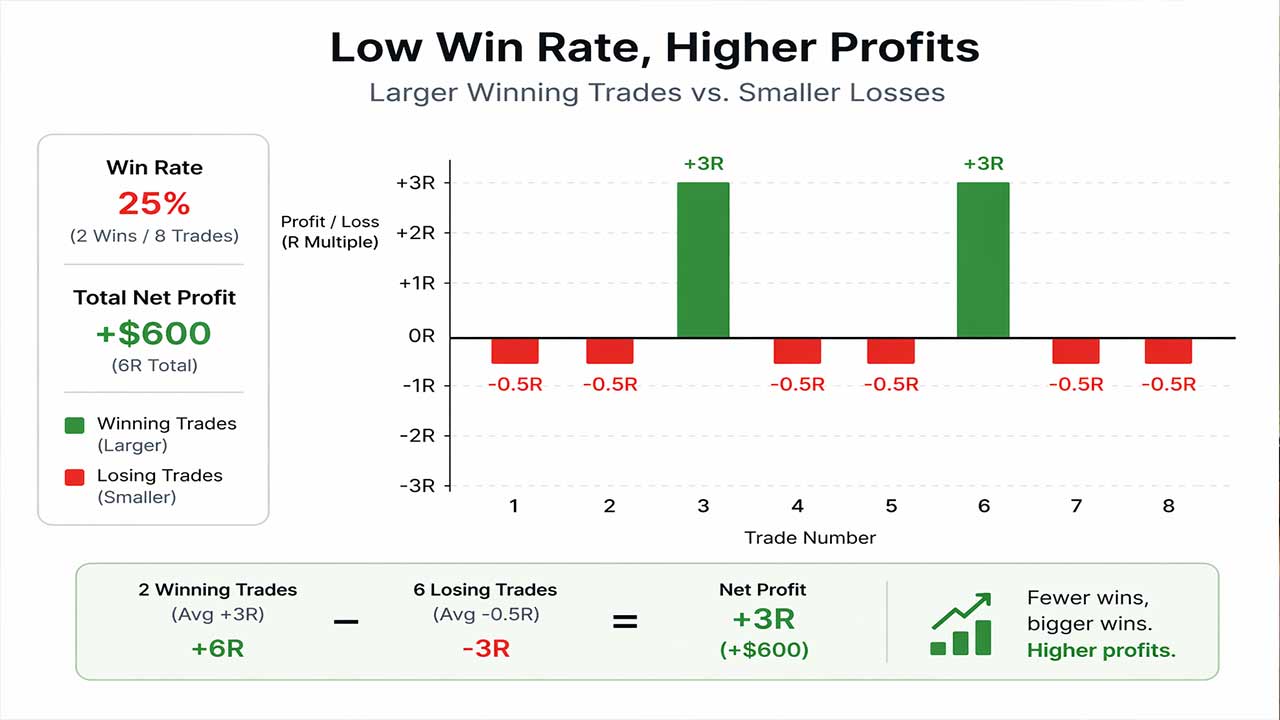
You can win only 40% of your trades and still be profitable. This works if your winners are larger than your losses.
For example:
Lose $100 on one trade
Make $200 on another
You are still ahead, even with fewer wins.
Prop firms care about how you manage losses, not how often you win. Losing trades are part of trading. Trying to avoid them completely will hurt your results.
Myth 4: Prop Trading Is Fast Money
This belief causes more damage than anything else.
Some traders expect to pass a challenge in a few days and start making steady income right away. When that does not happen, they force trades or increase risk.
That leads to quick failure.
Prop trading is not fast money. It is skill-based income.
You need time to:
Learn your strategy
Control your emotions
Build consistency
Understand risk
Even after getting funded, you still need to follow rules every day. One mistake can reset everything.
If you approach prop trading with patience, your chances improve. If you rush, you lose accounts.
Myth 5: All Prop Firms Are the Same
Not all prop firms operate in the same way. This mistake leads traders to pick the wrong firm for their style.
Here are some key differences between firms:
Some have strict time limits, others do not
Some allow news trading, others restrict it
Some have fast payouts, others take longer
Some have flexible rules, others are tight
If you ignore these details, you may struggle even with a good strategy.
For example, a scalper may struggle in a firm with strict spread or execution rules. A swing trader may fail in a firm with time limits.
You need to match your trading style with the firm’s rules. That alone can improve your chances of passing.
Myth 6: You Trade Real Money From Day One
Many traders think they are trading live funds right after passing a challenge.
That is not always the case.
Most prop firms use a simulated environment. This means you are trading in a system that tracks performance without direct market exposure.
This does not mean it is fake.
Your payouts are still real. The firm pays you based on your results. The goal is to test skill without taking unnecessary risk on their side.
The focus should not be on whether the funds are live or simulated. The real question is simple. Do they pay profits consistently?
If the answer is yes, the model works.
Myth 7: Rules Are Designed to Make You Fail
Many traders blame rules when they lose accounts.
They say:
Max daily loss is too strict
Max overall loss is unfair
Drawdown rules are traps
This mindset leads to repeated failure.
Rules are not there to make you fail. They are there to protect capital.
Think about it this way. If a firm lets traders take unlimited risk, most accounts would blow up quickly. The business would not survive.
Rules force discipline.
Max daily loss stops emotional revenge trading.
Max overall loss protects the account from long-term damage.
If you hit these limits often, the issue is not the rule. It is your risk management. Understand how these rules work in detail with max overall loss.
Once you accept this, your mindset changes. You start trading with control instead of blame.
Myth 8: Legal Means Safe
Some traders focus only on whether a firm is registered or legal.
This does not tell the full story.
A firm can be registered and still have issues with:
Execution quality
Slippage
Payout delays
Poor support
Instead of focusing only on legal status, look at how the firm operates.
Ask these questions:
Do they pay on time?
Are the rules clear?
Is execution stable?
Do traders have positive experiences?
These factors matter more than a simple legal label.
What Actually Helps You Pass a Prop Challenge
Once you remove the myths, the path becomes clearer. Success in prop trading comes down to a few core ideas.
1. Risk Management Comes First
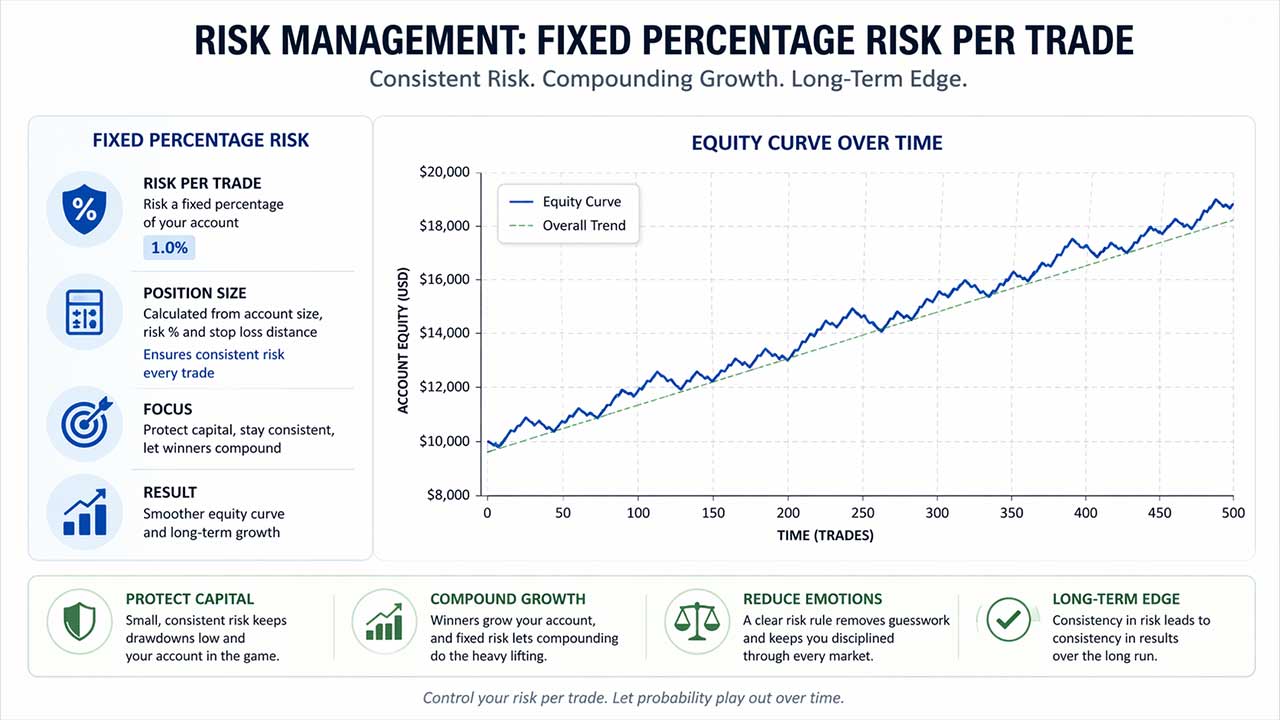
Every trade should have controlled risk. You should know your stop loss before entering. You should never risk too much on a single trade.
Most failed accounts come from one mistake. A trader increases size to recover losses and hits the drawdown limit.
Keep your risk small and steady. That is how you stay in the game.
2. Consistency Beats Big Wins
One large winning trade does not prove skill. Prop firms look for steady performance over time.
You need to:
Follow the same setup
Use the same risk per trade
Avoid random decisions
Consistency builds trust with the firm. It also builds confidence in your own trading.
3. Follow the Rules Without Exception
Rules are not suggestions. They are strict limits.
You should always track:
Max daily loss
Max overall loss
Lot size and exposure
Treat these limits as part of your strategy. Not something separate.
When you build your system around the rules, you reduce mistakes.
4. Control Emotions
Fear and greed cause most failures.
After a loss, traders try to recover quickly. After a win, they increase risk. Both lead to poor decisions.
You need to stay calm and stick to your plan. Each trade should feel the same, whether you win or lose.
This takes time, but it is a key part of passing challenges.
5. Choose the Right Firm for Your Style
Not every firm suits every trader.
If you:
Trade news, choose a firm that allows it
Hold trades longer, avoid strict time limits
Prefer low risk, pick flexible drawdown rules
Matching your style with the firm reduces pressure. It lets you focus on trading, not fighting the rules.
If you want a clear step-by-step process, see how to pass a funded account challenge.
Final Thoughts
Most traders do not fail because of bad strategies. They fail because they believe the wrong things.
They expect fast money. They chase high win rates. They ignore risk rules. They blame the firm instead of fixing their approach.
Once you remove these myths, your mindset changes. You start trading with control, patience, and clear rules.
Prop trading rewards discipline. It does not reward shortcuts.
Looking for the best prop firm? Pipstone Capital stands out with trader-first rules and a clear payout structure.
Focus on risk, stay consistent, and follow the rules. That gives you a real chance to pass and keep a funded account.
FAQ
Why do most traders fail prop firm challenges?
Most fail because they break risk rules. They increase lot size after losses, overtrade, or ignore drawdown limits. It is rarely the strategy. It is poor risk control.
Can I pass a prop challenge with a low win rate?
Yes. You can win less than half your trades and still pass. The key is keeping losses small and letting winners run. Risk-to-reward matters more than win rate.
How long does it take to get funded?
There is no fixed time. Some traders pass fast, others take longer. The goal is not speed. The goal is staying consistent without breaking rules.
What is the most important rule to follow?
Max loss rules matter the most. This includes daily and overall limits. If you protect your account, you stay in the game. If you break these, the account is gone.



Prop Trading Myths That Are Costing You Funded Accounts
Many traders fail prop firm challenges for one simple reason. They believe things that are not true. These myths sound convincing, especially online. But they lead to poor decisions, broken rules, and lost accounts.
If you want to pass a challenge and keep a funded account, you need to see how prop trading really works. This guide breaks down the most common myths and shows what actually matters.
Myth 1: Prop Firms Don’t Pay Traders
This is one of the biggest fears new traders have. Some think firms are built to avoid paying profits.
That is not how real prop firms work.
Reputable firms do pay traders. But there is one condition. You must follow the rules and stay within risk limits. Most failed payouts come from rule violations, not from firms refusing to pay.
If you hit your profit target but break max loss rules, your account is gone. It does not matter how good the trades looked. The rules come first.
The truth is simple. Traders who manage risk and follow rules get paid. Traders who ignore them do not.
Myth 2: Getting Funded Is Easy
Many ads or marketing materials make it look simple. Pass a challenge, get funded, and start earning.
The process is simple to understand. But it is not easy to complete.
You need to:
Control risk on every trade
Stick to a plan
Avoid emotional decisions
Stay consistent over time
Most traders fail because they chase fast profits. They overtrade, increase lot sizes, and break drawdown limits.
Prop firms are not testing luck. They are testing control. They want traders who can protect capital first and grow it after.
In case you treat the challenge like a race, you will fail. If you treat it like a process, you have a chance.
If you're new, start with understanding how a funded trading account actually works so you know what you're aiming for.
Myth 3: You Need a High Win Rate
Many traders believe they must win most of their trades. This pushes them into bad habits.
They close trades too early to secure small wins. They avoid taking proper risk setups. They fear losses too much.
In reality, win rate alone means very little.
What matters is your risk-to-reward ratio. Learn how to structure it properly in this guide on risk to reward ratio.
What matters is your risk-to-reward ratio.
You can win only 40% of your trades and still be profitable. This works if your winners are larger than your losses.
For example:
Lose $100 on one trade
Make $200 on another
You are still ahead, even with fewer wins.
Prop firms care about how you manage losses, not how often you win. Losing trades are part of trading. Trying to avoid them completely will hurt your results.
Myth 4: Prop Trading Is Fast Money
This belief causes more damage than anything else.
Some traders expect to pass a challenge in a few days and start making steady income right away. When that does not happen, they force trades or increase risk.
That leads to quick failure.
Prop trading is not fast money. It is skill-based income.
You need time to:
Learn your strategy
Control your emotions
Build consistency
Understand risk
Even after getting funded, you still need to follow rules every day. One mistake can reset everything.
If you approach prop trading with patience, your chances improve. If you rush, you lose accounts.
Myth 5: All Prop Firms Are the Same
Not all prop firms operate in the same way. This mistake leads traders to pick the wrong firm for their style.
Here are some key differences between firms:
Some have strict time limits, others do not
Some allow news trading, others restrict it
Some have fast payouts, others take longer
Some have flexible rules, others are tight
If you ignore these details, you may struggle even with a good strategy.
For example, a scalper may struggle in a firm with strict spread or execution rules. A swing trader may fail in a firm with time limits.
You need to match your trading style with the firm’s rules. That alone can improve your chances of passing.
Myth 6: You Trade Real Money From Day One
Many traders think they are trading live funds right after passing a challenge.
That is not always the case.
Most prop firms use a simulated environment. This means you are trading in a system that tracks performance without direct market exposure.
This does not mean it is fake.
Your payouts are still real. The firm pays you based on your results. The goal is to test skill without taking unnecessary risk on their side.
The focus should not be on whether the funds are live or simulated. The real question is simple. Do they pay profits consistently?
If the answer is yes, the model works.
Myth 7: Rules Are Designed to Make You Fail
Many traders blame rules when they lose accounts.
They say:
Max daily loss is too strict
Max overall loss is unfair
Drawdown rules are traps
This mindset leads to repeated failure.
Rules are not there to make you fail. They are there to protect capital.
Think about it this way. If a firm lets traders take unlimited risk, most accounts would blow up quickly. The business would not survive.
Rules force discipline.
Max daily loss stops emotional revenge trading.
Max overall loss protects the account from long-term damage.
If you hit these limits often, the issue is not the rule. It is your risk management. Understand how these rules work in detail with max overall loss.
Once you accept this, your mindset changes. You start trading with control instead of blame.
Myth 8: Legal Means Safe
Some traders focus only on whether a firm is registered or legal.
This does not tell the full story.
A firm can be registered and still have issues with:
Execution quality
Slippage
Payout delays
Poor support
Instead of focusing only on legal status, look at how the firm operates.
Ask these questions:
Do they pay on time?
Are the rules clear?
Is execution stable?
Do traders have positive experiences?
These factors matter more than a simple legal label.
What Actually Helps You Pass a Prop Challenge
Once you remove the myths, the path becomes clearer. Success in prop trading comes down to a few core ideas.
1. Risk Management Comes First
Every trade should have controlled risk. You should know your stop loss before entering. You should never risk too much on a single trade.
Most failed accounts come from one mistake. A trader increases size to recover losses and hits the drawdown limit.
Keep your risk small and steady. That is how you stay in the game.
2. Consistency Beats Big Wins
One large winning trade does not prove skill. Prop firms look for steady performance over time.
You need to:
Follow the same setup
Use the same risk per trade
Avoid random decisions
Consistency builds trust with the firm. It also builds confidence in your own trading.
3. Follow the Rules Without Exception
Rules are not suggestions. They are strict limits.
You should always track:
Max daily loss
Max overall loss
Lot size and exposure
Treat these limits as part of your strategy. Not something separate.
When you build your system around the rules, you reduce mistakes.
4. Control Emotions
Fear and greed cause most failures.
After a loss, traders try to recover quickly. After a win, they increase risk. Both lead to poor decisions.
You need to stay calm and stick to your plan. Each trade should feel the same, whether you win or lose.
This takes time, but it is a key part of passing challenges.
5. Choose the Right Firm for Your Style
Not every firm suits every trader.
If you:
Trade news, choose a firm that allows it
Hold trades longer, avoid strict time limits
Prefer low risk, pick flexible drawdown rules
Matching your style with the firm reduces pressure. It lets you focus on trading, not fighting the rules.
If you want a clear step-by-step process, see how to pass a funded account challenge.
Final Thoughts
Most traders do not fail because of bad strategies. They fail because they believe the wrong things.
They expect fast money. They chase high win rates. They ignore risk rules. They blame the firm instead of fixing their approach.
Once you remove these myths, your mindset changes. You start trading with control, patience, and clear rules.
Prop trading rewards discipline. It does not reward shortcuts.
Looking for the best prop firm? Pipstone Capital stands out with trader-first rules and a clear payout structure.
Focus on risk, stay consistent, and follow the rules. That gives you a real chance to pass and keep a funded account.
FAQ
Why do most traders fail prop firm challenges?
Most fail because they break risk rules. They increase lot size after losses, overtrade, or ignore drawdown limits. It is rarely the strategy. It is poor risk control.
Can I pass a prop challenge with a low win rate?
Yes. You can win less than half your trades and still pass. The key is keeping losses small and letting winners run. Risk-to-reward matters more than win rate.
How long does it take to get funded?
There is no fixed time. Some traders pass fast, others take longer. The goal is not speed. The goal is staying consistent without breaking rules.
What is the most important rule to follow?
Max loss rules matter the most. This includes daily and overall limits. If you protect your account, you stay in the game. If you break these, the account is gone.
